
How to Apply Cost-Effective Strategies in a Food Blogging Business
cost-effective food business strategies
Running a food business requires more than just great recipes and good service. Managing costs efficiently is key to staying profitable and competitive.

Efficient kitchen workflow helps reduce operational costs and improve productivity.
1. Optimize Ingredient Management
Food cost is one of the biggest expenses in a food business. Proper ingredient control is essential.
- Buy in bulk from trusted suppliers
- Use seasonal ingredients
- Track inventory regularly
- Reduce food waste
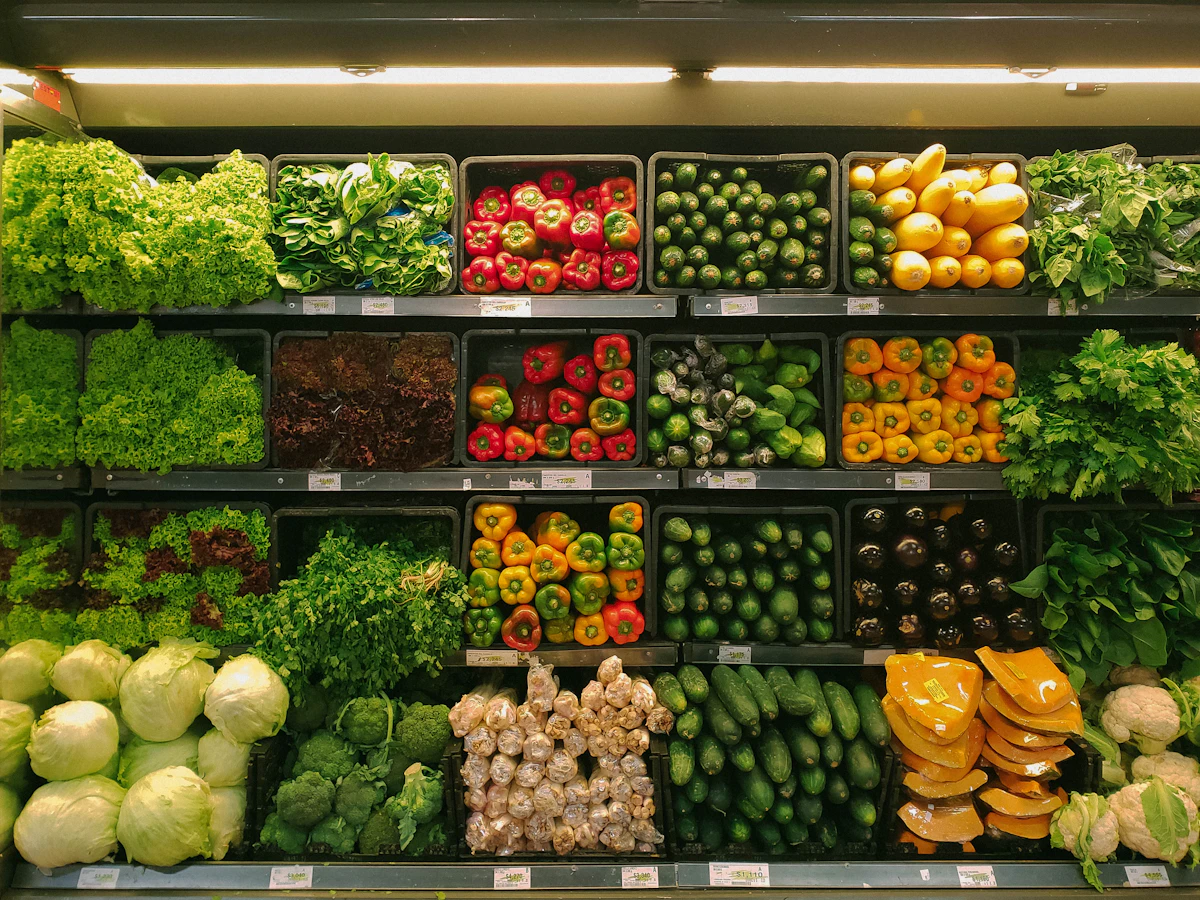
Fresh and seasonal ingredients help reduce costs significantly.
2. Use Digital Tools for Efficiency
Technology can streamline your food business operations and reduce human error.
- POS systems for sales tracking
- Inventory management software
- Online accounting tools
- Delivery apps integration

Digital tools improve accuracy and speed in daily operations.
3. Reduce Operational Waste
Waste reduction directly improves your profit margin.
- Standardize recipes
- Control portion sizes
- Track kitchen waste
- Train staff properly

Proper training reduces waste and improves consistency.
4. Smart Marketing Strategies
Digital marketing helps reach more customers at lower cost.
- Instagram & TikTok marketing
- Customer reviews & testimonials
- Food content creation
- Local SEO optimization

Social media marketing boosts visibility without high costs.
5. Improve Energy Efficiency
Reducing utility costs helps long-term profitability.
- Use energy-efficient equipment
- Turn off unused appliances
- Maintain kitchen tools
- Optimize cooking schedules

Energy-efficient kitchens reduce operational expenses.
Conclusion
Cost-effective strategies are not just about saving money but improving efficiency and building a sustainable food business.

A well-managed food business leads to long-term success.